
You have no items in your shopping cart.
ร้านค้าประเทศไทย
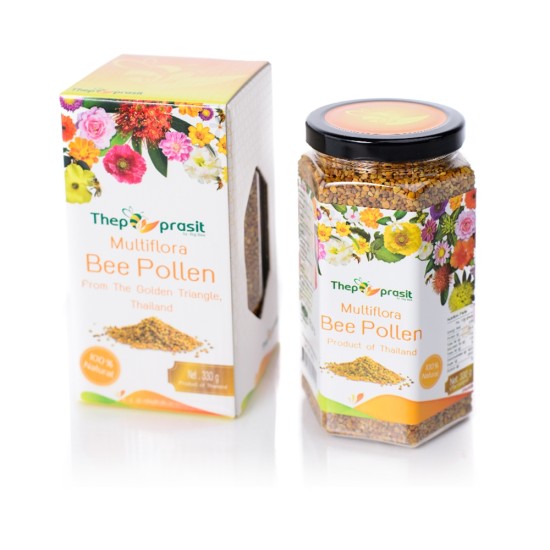
What is bee pollen?
Bee Pollen is the reproductive spore of the plant. It is incredibly dense with plant nutrients. The phytonutrients found in bee pollen include bioactive compounds like enzymes, bioflavonoid, phytosterois and carotenoids.
Bee pollen also contains free amino acids, fatty acids with a good proportion of Omega 3’s, naturally chelated minerals and whole vitamin complexes.
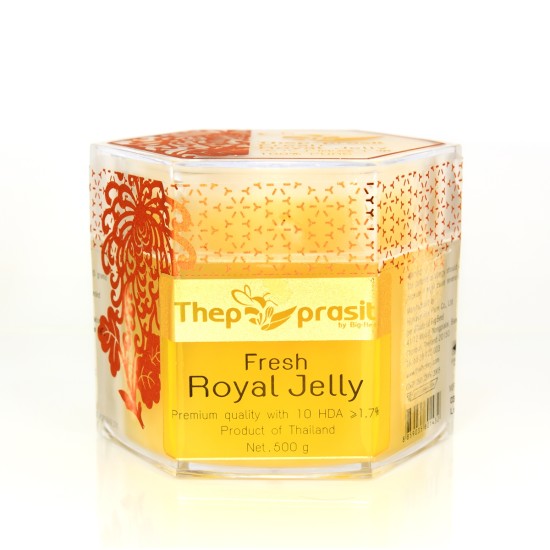
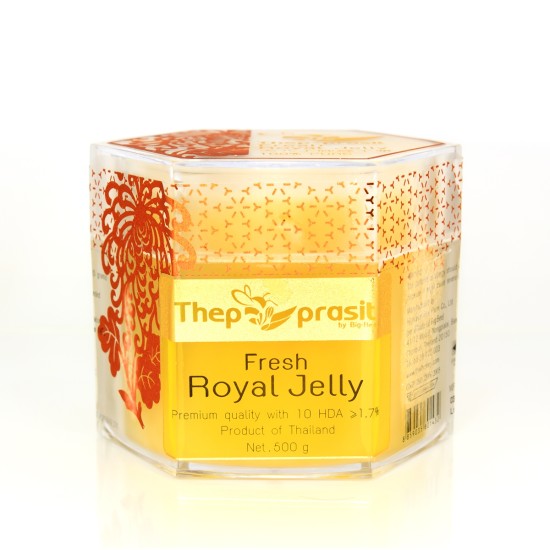
What is royal jelly?
Royal jelly is the milk produced by the worker as the unique food for the queen bee. The queen bee lives 50 time longer and has the size twice of a worker bee , only because of this unique food.
Scientists recognize that Royal Jelly “milk of the bees” promotes longevity, fecundity and growth.
Royal Jelly has been used by man down the centuries for its remarkable health-giving and rejuvenating properties. It has been proven itself to be of great help in muscle and skin tone.
What is royal jelly?
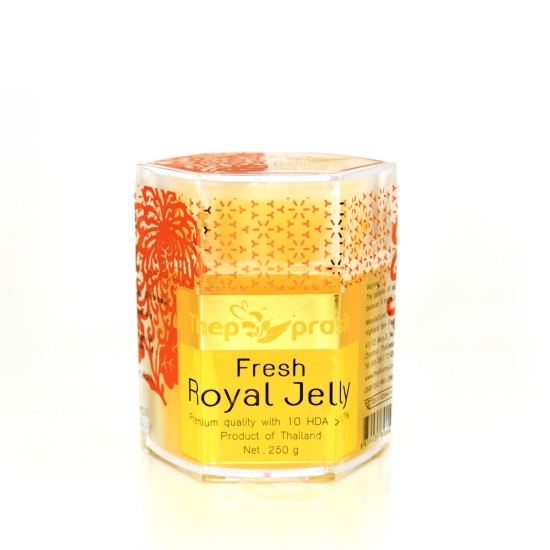
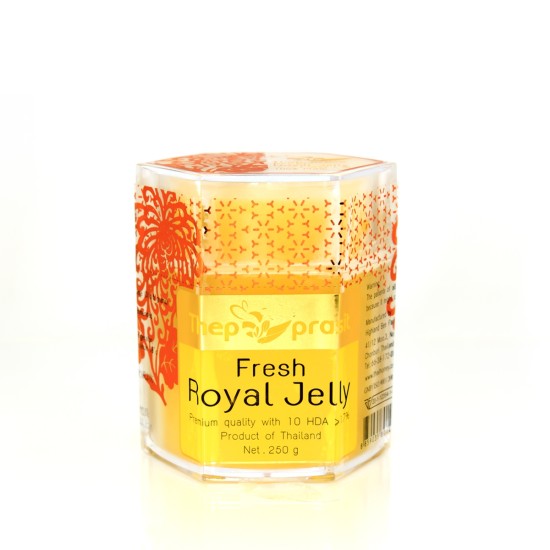
Royal jelly is the milk produced by the worker as the unique food for the queen bee. The queen bee lives 50 time longer and has the size twice of a worker bee , only because of this unique food.
Scientists recognize that Royal Jelly “milk of the bees” promotes longevity, fecundity and growth.
Royal Jelly has been used by man down the centuries for its remarkable health-giving and rejuvenating properties. It has been proven itself to be of great help in muscle and skin tone.
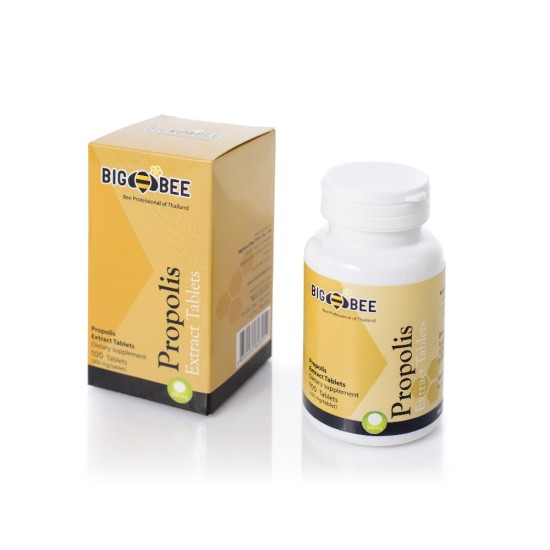
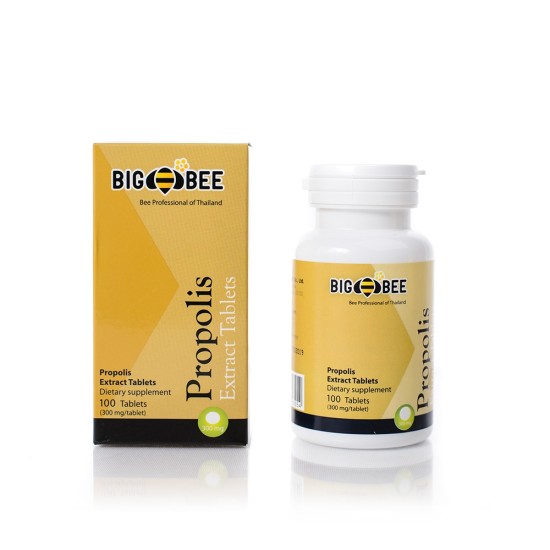
What is propolis
Bees produce propolis from the sap on needle-leaved trees or evergreens. When they combine the sap with their own discharges and beeswax, they create a sticky, greenish-brown product that is used as a coating to build their hive and protect the hive from bacteria and infection. This is propolis.
Out of stock
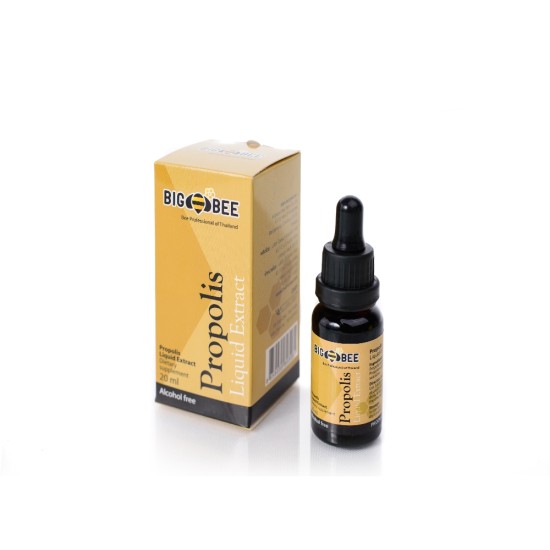
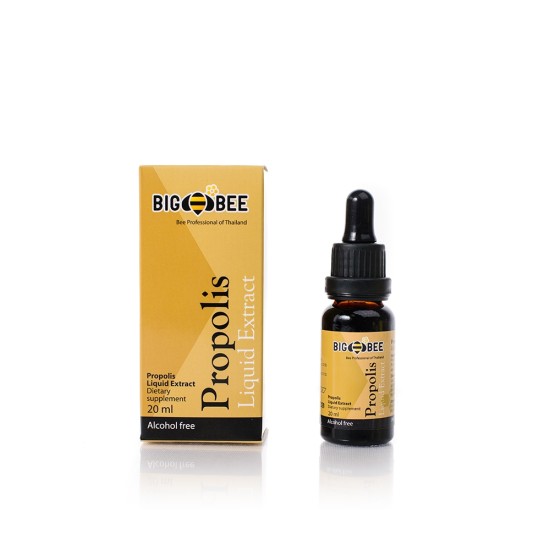
What is propolis
Bees produce propolis from the sap on needle-leaved trees or evergreens. When they combine the sap with their own discharges and beeswax, they create a sticky, greenish-brown product that is used as a coating to build their hive and protect the hive from bacteria and infection. This is propolis.
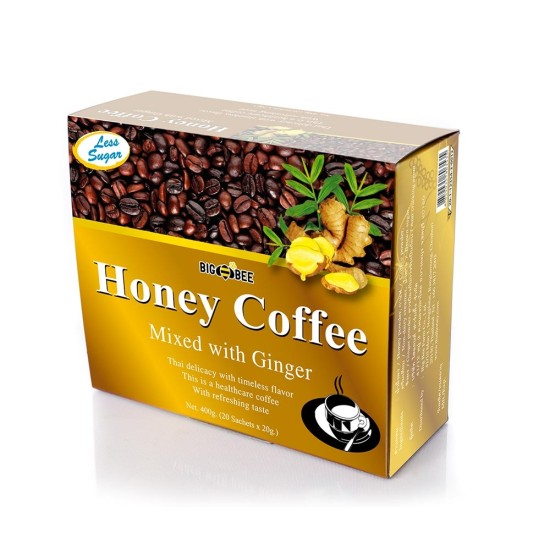
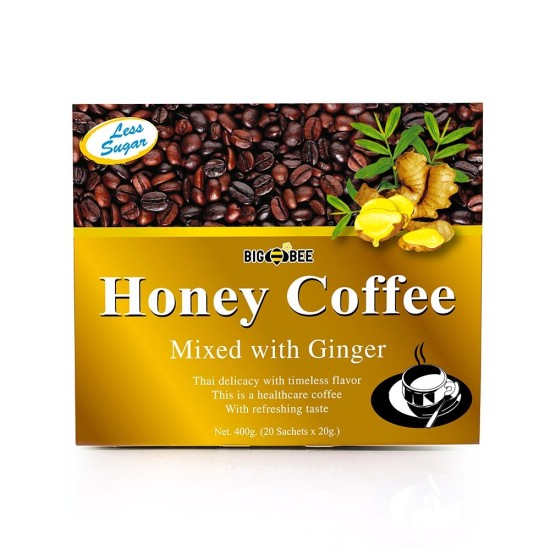
Herbal Coffee
Black galingale is a member of the ginger family and is found mainly in the northern part of Thailand. By the Thai, this plant is very popular because of his versatility and especially known as a potential natural means with an extremely good efficiency and no side effects. This herb is grown in Thailand and successfully used by Thailand doctors in the aid and prevention of strokes, heart arrhythmia, heart palpitations, irregular heartbeat, blood circulation, fatigue, and high blood pressure
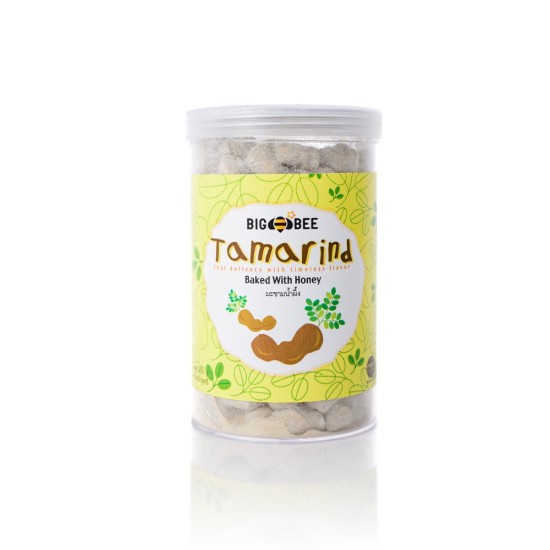
Tamarind
In generally, tamarinds that selling in the market, they mixed tamarind with flour for increasing the quantity and added sugar for sweet taste. But our product is pure tamarind 100% and baked with pure honey without using any sugar, than blended with plum power. It is healthy product.
Out of stock
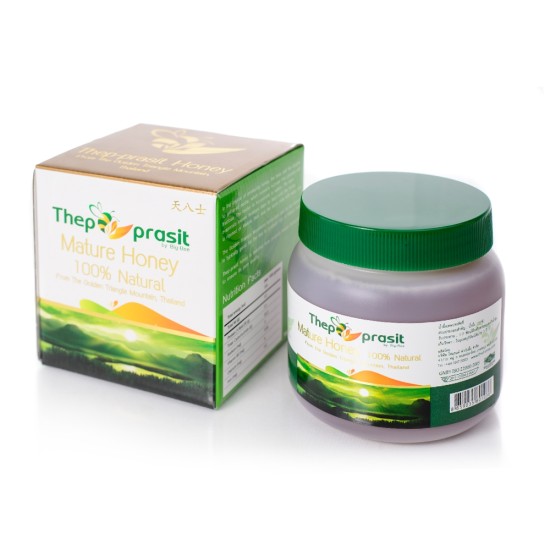
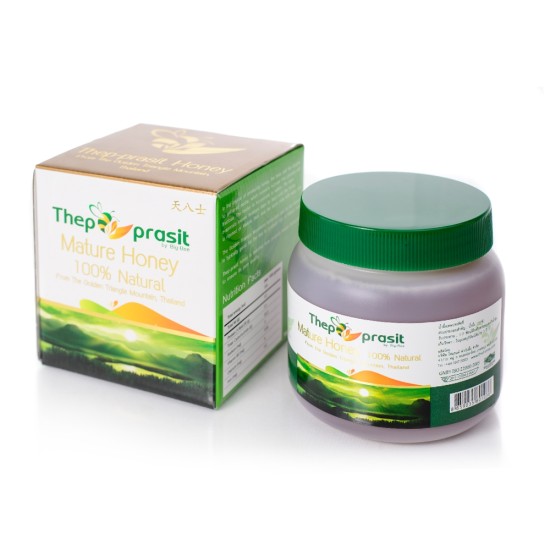
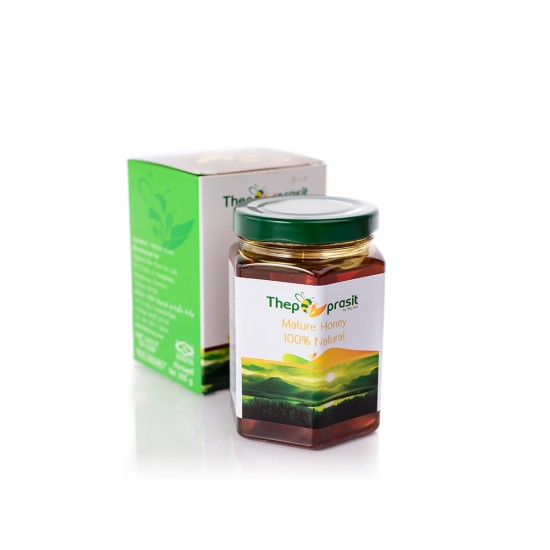
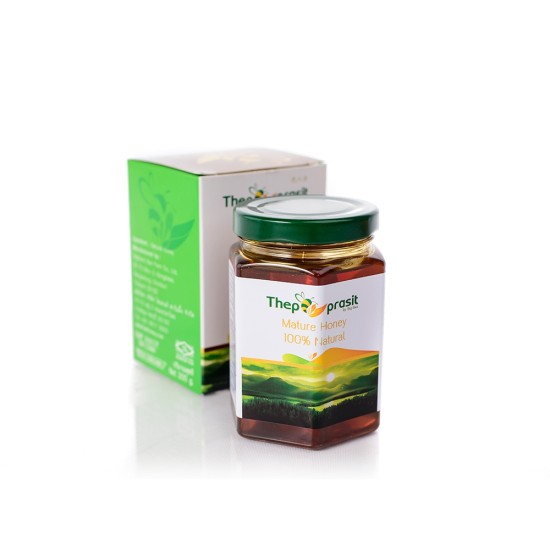
Thepprasit honey is selected from properly mature honeycomb to ensure its pure quality. It has herbal fragrant, amble color, stable liquid texture without crystallization.
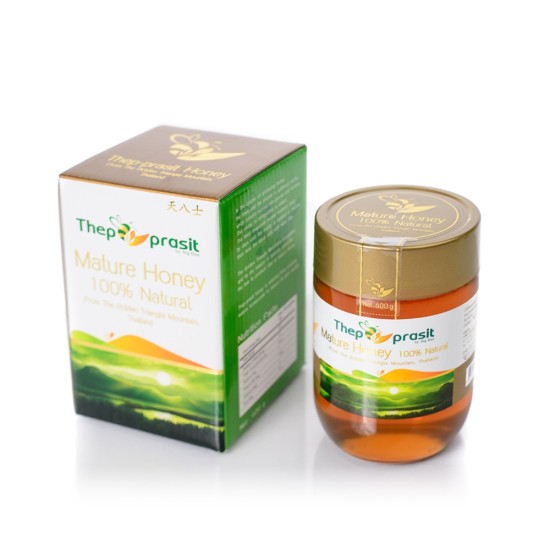
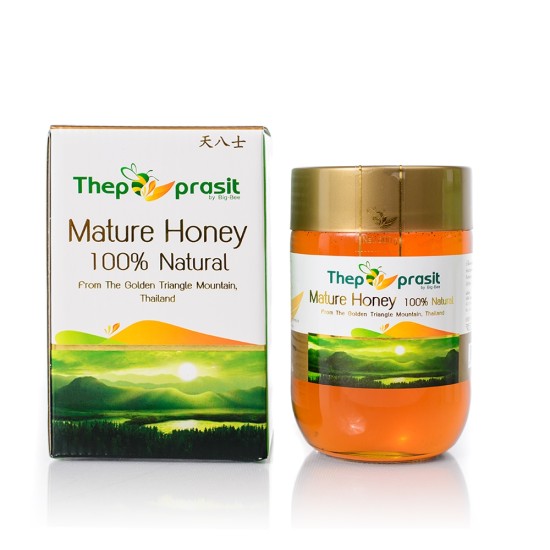
What is mature honey?
In the course of producing honey. The bee add the enzyme to gathered nectar, which converts sucrose into glucose and fructose. The nectar in honeycomb is watery. The bees evaporate excess moisture days by days until the honey is ripened or mature, then seal the store cells with waxy lids.
The Golden Triangle Mountains ecosystem and its dry season is typically good for the bee to produce ripe or mature honey.
What is mature honey?
In the course of producing honey. The bee add the enzyme to gathered nectar, which converts sucrose into glucose and fructose. The nectar in honeycomb is watery. The bees evaporate excess moisture days by days until the honey is ripened or mature, then seal the store cells with waxy lids.
The Golden Triangle Mountains ecosystem and its dry season is typically good for the bee to produce ripe or mature honey.




 Branch site & map


 miaojinta